
Full Truckload Freight in Appleton, WI & the Fox Valley
A full truckload shipment doesn’t leave much room for guesswork. The trailer is yours, the route is direct, and the only thing standing between pickup and delivery is the drive itself – no terminal stops, no rehandling, no wondering whose freight got loaded on top of yours. Mom and Son Trucking runs full truckload freight for businesses across Appleton, Neenah, Menasha, Kaukauna, Grand Chute, and the wider Fox Valley, with lanes reaching across Wisconsin and into nearby states.
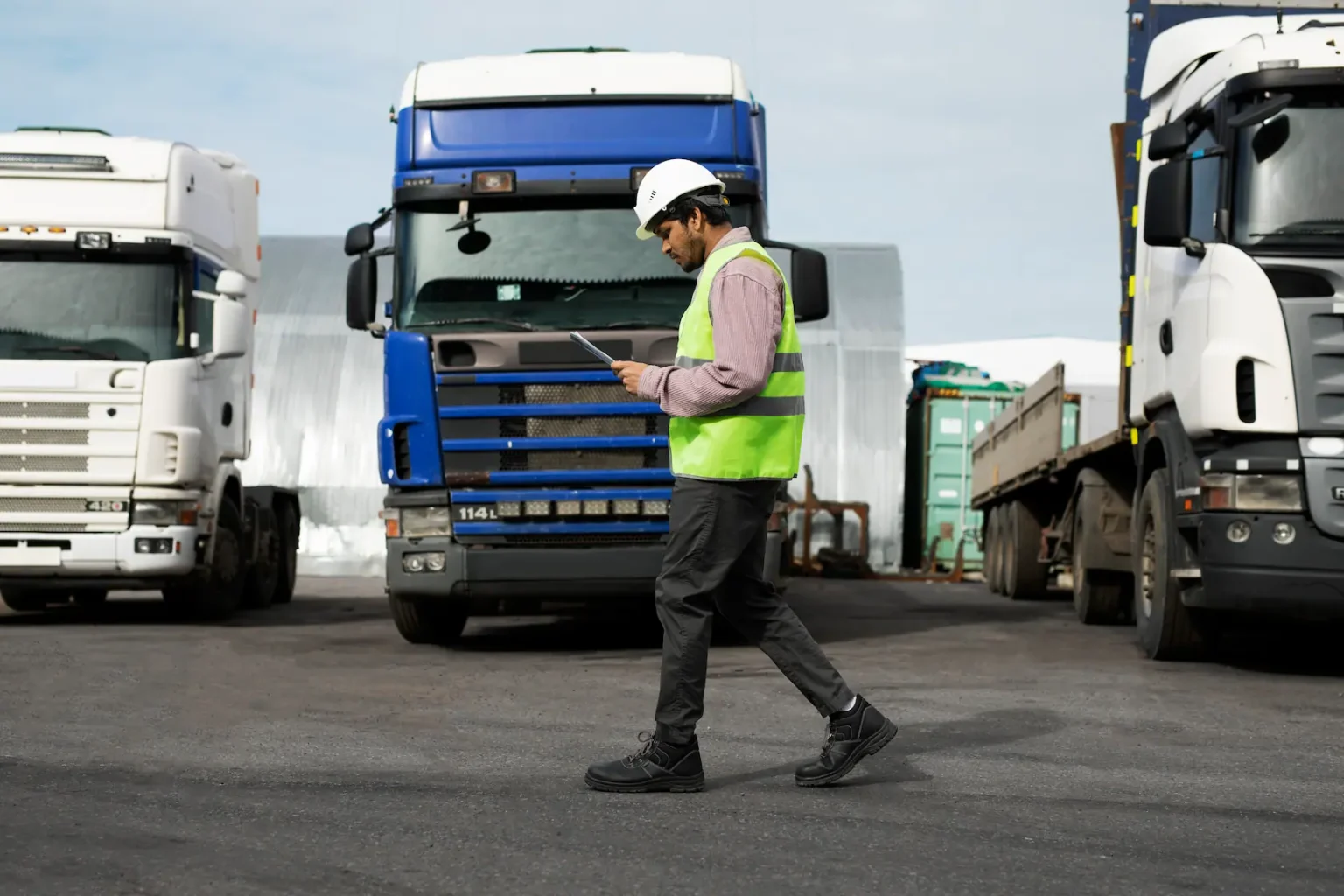
What Full Truckload Freight Actually Means
Every full truckload shipment is different, and the right answer usually comes down to your specific freight. Tell us what you’re shipping and where it’s headed, and we’ll walk you through what a dedicated trailer would look like for your load.
Full truckload (FTL) freight means a trailer is dedicated to one shipper for the entire trip. For a shipper in Appleton or elsewhere in the Fox Valley, that means the trailer is loaded once, sealed, and driven straight to the delivery point — no outside terminal, no re-sorting.
FTL doesn’t require filling every inch of a trailer, either — the trade-off is fewer hands on the freight and a more predictable arrival, not maximum cubic space. If your shipment is too small to justify a dedicated trailer, our partial freight service is usually the better fit.
As a rough guideline, full truckload starts to make more sense than LTL once a shipment reaches around 10,000 pounds or fills 10 or more pallets. A standard 53-foot dry van typically holds 24 to 30 standard pallets in a single layer, depending on pallet size and stacking. Federal weight limits set by the Federal Motor Carrier Safety Administration mean how a load is built matters just as much as how much space it takes up.
Why You Might Need Full Truckload Freight
Businesses usually move to full truckload for one of three reasons:
- Size – The shipment is simply too big for shared trailer space.
- Timing – The freight is time-sensitive and can’t afford terminal delays.
- Handling – The product itself needs to stay untouched from pickup to delivery.
That last point matters more than shippers often realize. Every time freight changes trailers or passes through a terminal, it gets handled again, and handling is where damage, mislabeling, and delay usually happen. A dedicated trailer removes that risk almost entirely. It also gives you a single point of accountability: one carrier, one driver, one direct route, so if something needs tracking down, there’s no network of hubs to chase.
Live Loads, Drop Trailers, and Why Your Dock Setup Matters
Every facility runs freight a little differently, and a carrier that only knows one way to work a dock is going to cost you time eventually.
- Live loads – Our driver backs into your dock, and the trailer is loaded or unloaded while the driver waits. This works well for lower-volume shippers or facilities without much yard space. Most docks get a standard two-hour free-time window before detention charges start.
- Drop trailer programs – We leave a loaded or empty trailer in your yard, and your team works it on your own schedule instead of ours. This tends to suit higher-volume shippers, facilities with limited dock doors, or operations that load overnight.
We can pick the model that actually fits how your dock runs, rather than forcing your team to work around ours.
A note on timing: this isn’t just courtesy.
Federal Hours of Service rules limit how long a driver can be on duty under FMCSA regulations — generally 11 hours of driving within a 14-hour on-duty window, and no more than 60 hours over 7 days (or 70 over 8). A long wait at one dock doesn’t just delay your load — it can eat into the driver’s hours for the rest of the route.
When to Choose Full Truckload Freight
A few signals usually mean it’s time to book FTL instead of LTL or partial freight:
- Your shipment crosses roughly 10,000 pounds or 10+ pallets — the point where a dedicated trailer typically costs less than paying for shared LTL space.
- You’re working against a fixed delivery appointment. Terminal stops add unpredictability that appointment-based receivers won’t tolerate.
- The freight is fragile, high-value, or sensitive to handling. Fewer touches means fewer chances for damage.
- You need real-time visibility. A dedicated trailer with one point of contact is easier to track than freight moving through a multi-stop network.
A note on timing: book as early as you can, especially heading into higher-demand stretches when trailer availability tightens. That said, if a shipment is urgent, call rather than assume it’s too late — we’ll tell you honestly whether we can make your window.
Industries We Serve with Full Truckload Freight
The Fox Valley economy runs on manufacturing, paper, and distribution, and our truckload service is built around what actually moves through this region:
- Manufacturing – Raw materials, components, and finished goods moving between plants, warehouses, and distribution points.
- Paper and packaging – With the Fox River’s paper mill corridor in our own backyard, we know how to handle rolled stock, corrugated sheets, and packaging materials that need to stay dry and arrive undamaged.
- Retail and distribution – Bulk freight moving from warehouses to stores or fulfillment centers, where a delivery appointment isn’t optional.
- General freight – Palletized goods, equipment, and non-perishable products of nearly any kind, as long as the load justifies a dedicated trailer.
Not sure which service fits your freight? Tell us the shipment size and we’ll help you land on full truckload, dry van, or partial freight — whichever actually makes sense for the load.
Why Businesses Choose Mom and Son Trucking
We didn’t build this company to be the biggest truckload carrier in Wisconsin. We built it to be the one Fox Valley businesses call when they know what they’re shipping matters. We’ve been running full truckload freight since 2009, with 17+ years behind the wheel in this region. That means showing up when we say we will, keeping you posted the moment anything changes, and treating your load like it’s the only one on the schedule that day — because on that trailer, it is.
What that looks like in practice:
- Dedicated trailer, start to finish – Your freight stays on one trailer, with no transfers or co-loads.
- Fewer stops, fewer risks – Direct routing means less chance for delay or damage.
- A real point of contact – You’ll know who’s driving your freight and who to call if something changes.
- Docks run differently, and we adapt – Live load or drop trailer, early mornings or a tight delivery appointment — we work around your operation.
- Well-maintained equipment and safety-first drivers, so your freight arrives the way it left.
We haul both dry van and flatbed loads, so we can match the right equipment to the freight instead of forcing your shipment into whatever trailer happens to be free.
Licensed, Insured, and FMCSA Compliant
Mom and Son Trucking is registered with the Federal Motor Carrier Safety Administration as a full truckload carrier, and every load is covered by cargo insurance. Our USDOT number confirms we meet federal safety standards for interstate trucking, and our Motor Carrier number gives us legal authority to operate across state lines. You don’t have to take our word for it — our registration and safety record are public on FMCSA’s SAFER database.
Full Truckload vs. LTL vs. Partial Freight
Not sure which shipping method actually fits your load? Here’s the practical difference:
- Full truckload (FTL): Best when freight fills most or all of a trailer, or when speed and reduced handling matter more than shared-network pricing. One shipper, one direct route.
- Less than truckload (LTL): Best for smaller shipments that don’t justify a dedicated trailer. Freight shares space with other shippers and typically passes through terminal hubs.
- Partial freight (PTL): A middle ground for loads too large for standard LTL but not big enough to justify a full trailer.
If you’re not sure which one fits, tell us your shipment size and we’ll point you in the right direction. We’d rather set you up with the right service than sell you more truck than you need.
How Our Full Truckload Process Works
- Get a quote – Share pickup and delivery locations, freight weight, pallet count, and your timeline, and we’ll give you a clear price with no hidden fees.
- Book your pickup – We schedule around your actual dock setup — live load or drop trailer, early morning or a tight appointment window.
- Load and seal – Your trailer is loaded, sealed, and dedicated to your shipment alone. Nothing else comes on board.
- Direct transit – Your freight moves straight to its destination, with no outside terminal stops and no unloading along the way.
- Delivery – We keep you updated in transit, so you’re never left guessing where your load is, and confirm once it’s delivered.
Our Full Truckload Service Area
Mom and Son Trucking is based in Appleton, WI, right in the heart of the Fox Valley. We know the manufacturing corridors along the Fox River and the loading docks across the region — not from a map, but from driving it.
We regularly provide truckload transportation for businesses in Appleton, Neenah, Menasha, Kaukauna, and Grand Chute, with long-haul lanes extending across Wisconsin and into neighboring states. Whether your freight is moving across town or across state lines, you’re working with the same local team from quote to delivery.
Full Truckload Freight FAQs
How much does full truckload shipping cost?
It depends on distance, weight, equipment type, fuel prices, and current demand. Contact us with your shipment details and we’ll give you a straightforward quote.
How many pallets fit in a full truckload?
A standard 53-foot dry van usually holds around 24 to 30 standard pallets in a single layer, depending on weight and how the freight stacks.
What’s the difference between full truckload and LTL shipping?
Full truckload dedicates an entire trailer to one shipper for a direct trip. LTL combines multiple shippers’ freight in one trailer, with stops at terminal hubs along the way.
How far in advance should I book a full truckload shipment?
Booking early, especially during busy seasons, helps us secure the trailer and pickup window you need. If your shipment is urgent, call us directly and we’ll do what we can to work with your timeline.
Will I get updates while my shipment is in transit?
Yes, since you’re working directly with our team, you can call anytime for a status update on your load.
Do you offer flatbed or refrigerated full truckload service?
Yes, along with dry van, we offer flatbed trucking and refrigerated trucking for freight that needs specialized equipment.
What happens if my freight is damaged during transit?
Every shipment is covered by cargo insurance. If something goes wrong, contact us right away and we’ll walk you through the claims process.
Is Mom and Son Trucking a licensed and insured carrier?
Yes, we hold a valid USDOT number and Motor Carrier number, confirming we meet federal safety and compliance standards. You can verify our status anytime on FMCSA’s SAFER database.
What if I need to cancel or reschedule a pickup?
Let us know as soon as you can, and we’ll work with you to find a new pickup window that fits your schedule.