
Dry Van Truckload in Appleton, WI & the Fox Valley
When your name is on the truck, every load matters. Mom and Son Trucking is proud to serve Appleton, WI and the surrounding Fox Cities with honest, hardworking dry van trucking you can count on.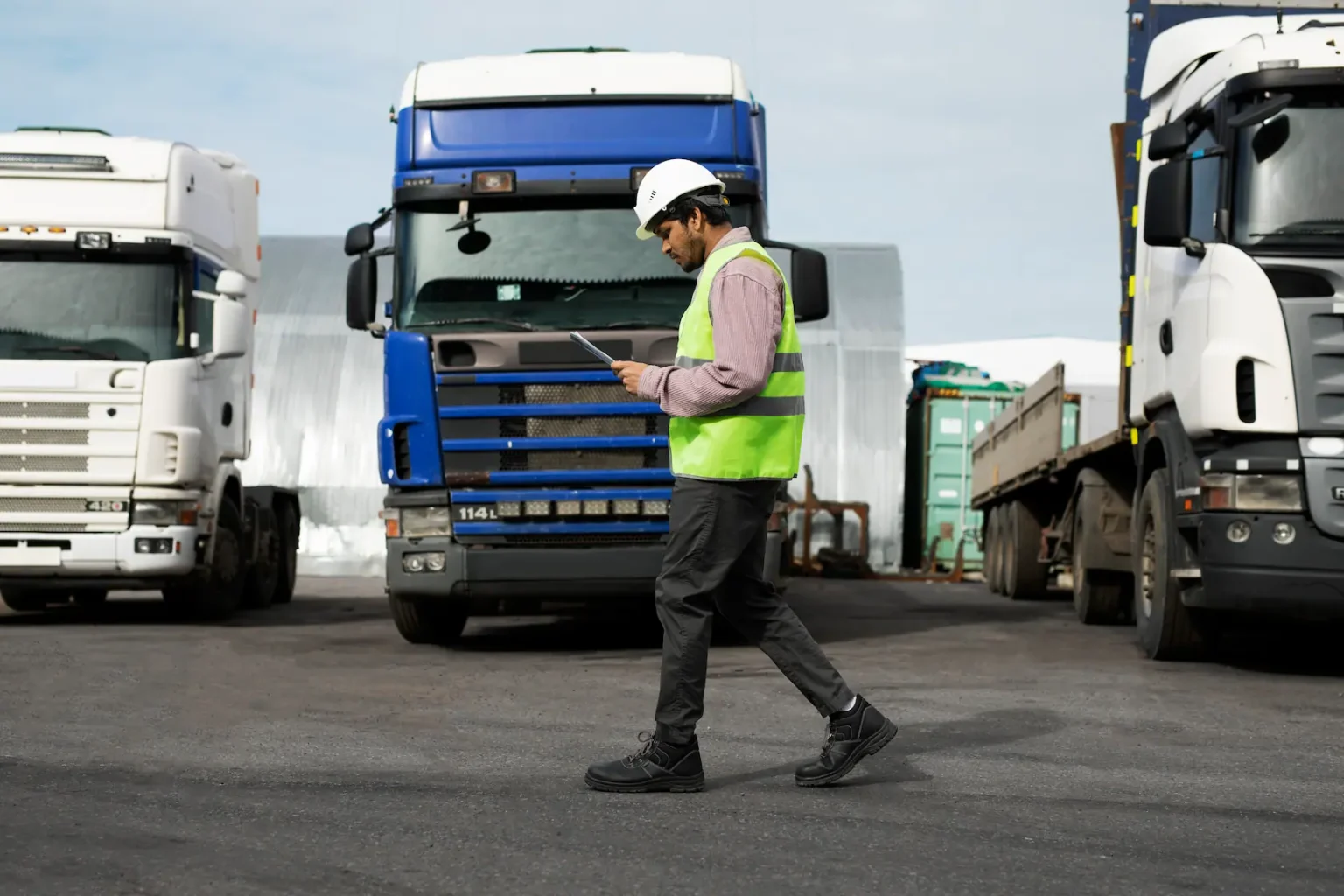
Dry van is the most common way freight moves in the U.S. There’s a simple reason for it. An enclosed trailer keeps your shipment protected from rain, road debris, and temperature swings for the entire trip. At Mom and Son Trucking, we run dry van trucking services for businesses across Appleton, Neenah, Menasha, Kaukauna, Grand Chute, and the wider Fox Valley. Our lanes reach across Wisconsin, and into nearby states too.
We’re a family-owned dry van carrier. That means the person who quotes your load is the same person you’ll call if something changes. No dispatch queue, no account rep who’s never seen your freight.
What Dry Van Trucking Actually Means
Not sure if dry van is the right fit for your freight? Tell us what you’re shipping, and we’ll tell you honestly whether an enclosed trailer is the right call.
A dry van is an enclosed, fully sealed trailer — no open sides, no roof gaps, nothing exposed to the weather. That makes it the standard choice for general freight. It covers boxed goods, palletized products, packaged materials, and machinery parts that don’t need temperature control or oversized deck space.
A standard dry van trailer runs 53 feet long, about 8.5 feet wide, and roughly 9 feet high on the inside. It holds around 24 to 30 standard pallets in a single layer. Typical weight capacity runs up to roughly 45,000 pounds, depending on axle configuration and freight density. Federal weight limits set under federal truck size and weight regulations apply here too. How a load is built matters as much as how much space it takes up.
Dry van isn’t a shipment-size category — it’s an equipment type. Your dry van freight can move a few different ways. It can go as a dedicated full truckload dry van shipment, as part of an LTL load sharing trailer space with other shippers, or as partial freight. It depends on how much you’re moving.
Why Businesses Choose Dry Van Trucking
Dry van trucking services cover more freight than any other equipment type, for a few clear reasons:
- Weather protection – Your freight stays sealed off from rain, snow, and road debris for the entire trip, unlike open-deck equipment.
- Security – An enclosed trailer means your shipment isn’t visible or exposed at stops, which matters for higher-value general freight.
- Versatility – Dry van handles almost any non-perishable, non-oversized freight — boxed goods, retail products, packaging materials, and more.
- Availability and cost – Dry van is the most common trailer type on the road. That usually makes it more available and more cost-effective than specialized equipment like flatbed or refrigerated trailers.
For most general freight shipping, dry van transportation is the default choice. You’d only need flatbed or refrigerated equipment if your freight is oversized, irregularly shaped, or temperature-sensitive.
Live Loads, Drop Trailers, and Your Dry Van Dock Setup
Dry van trailers are built for dock-height loading, but every facility still runs freight a little differently.
- Live loads. Your dry van trailer backs straight into the dock, and our driver waits while your team loads or unloads it. It’s a solid fit for lower-volume shippers or docks without much yard space to spare. Most facilities work within a standard free-time window before detention charges apply.
- Drop trailer programs. We leave a loaded or empty trailer in your yard, and your team works it on your own schedule instead of ours. This tends to suit higher-volume shippers or operations that load overnight. It’s also one of the most common uses for dry van equipment specifically. The sealed trailer can sit safely in a yard without exposing freight to the weather.
A note on timing: Federal Hours of Service rules limit how long a driver can be on duty under FMCSA Hours of Service regulations. Generally that means 11 hours of driving within a 14-hour on-duty window. It also means no more than 60 hours over 7 days, or 70 over 8. A long wait at one dock doesn’t just delay your load. It can eat into the driver’s hours for the rest of the route.
What Affects Dry Van Trucking Pricing
Every dry van freight quote is built around the actual shipment, not just mileage on a map. Here’s what typically shapes a rate:
- Distance and lane balance – A longer haul costs more, but so does a lane where a truck is likely to run back empty.
- Shipment size – Full truckload dry van pricing works differently than LTL or partial freight, since a dedicated trailer changes the cost structure.
- Weight and freight density – Heavier or denser freight can shift pricing even within the same trailer space.
- Fuel costs. Diesel prices move often. Dry van rates typically shift with them, since fuel is one of the biggest swing costs in general freight transportation.
- Scheduling and season – Freight volume moves in waves, and tighter capacity during high-demand stretches tends to push dry van shipping rates up.
So many variables go into a number. The fastest way to a real quote is to give us the specifics. Send pickup and delivery locations, freight weight, pallet count, and your timeline.
Winter Driving and Peak Season Shipping in Wisconsin
Wisconsin’s weather and seasonal freight cycles both affect dry van scheduling, even with a sealed trailer protecting your freight.
- Winter road conditions – Snow and ice slow transit times and can affect delivery windows, even though your freight itself stays protected inside a sealed trailer. We build extra time into winter routes when conditions call for it.
- Holiday and peak season demand – Retail and e-commerce freight volume spikes heading into the fall and winter shopping season. That’s also when dry van trailers get hardest to book. Reserving your pickup window early matters more during these stretches.
- Spring and summer capacity – Freight volume picks up again in warmer months as construction and manufacturing shipments increase, which can tighten capacity on short notice too.
Whatever the season, we’d rather tell you honestly about capacity and timing than promise a pickup window we can’t hit.
When to Choose Dry Van Trucking
A few signals usually mean dry van is the right call over flatbed or refrigerated equipment:
- Your freight is boxed, palletized, or packaged and fits within standard trailer dimensions.
- The shipment doesn’t need temperature control, but does need protection from rain, snow, or road debris.
- You’re shipping general freight, retail goods, or packaging materials that would be damaged if exposed to weather.
- Your freight doesn’t require special loading methods like a crane or forklift from the side.
If you’re unsure whether your freight needs dry van or a different trailer type, tell us what you’re shipping. We’ll give you a straight answer, not just whichever equipment we have available that week.
Dry Van vs. Flatbed vs. Refrigerated Trucking
Not sure which equipment type actually fits your freight? Here’s the practical difference:
- Dry van: An enclosed trailer for general, non-perishable freight that doesn’t need temperature control. Best default choice for boxed goods, palletized products, and packaged materials.
- Flatbed: An open trailer with no walls or roof. It’s used for oversized, irregularly shaped, or heavy freight like machinery, building materials, or steel. Requires tarping and strapping since the load is exposed.
- Refrigerated (reefer): A temperature-controlled enclosed trailer for perishable freight. Think food, pharmaceuticals, or anything that needs to stay within a specific temperature range.
If you’re not sure which one fits, tell us your freight type and dimensions, and we’ll point you toward the right equipment. We’d rather set you up with the right trailer than sell you equipment you don’t need.
Common Dry Van Freight We Haul
Dry van freight covers more ground than any other equipment type, and knowing what we regularly move might help you figure out if your shipment fits:
- Boxed and packaged retail goods – Consumer products, e-commerce inventory, moving companies’ load for long distances and store replenishment freight moving to distribution centers or retail locations.
- Palletized general merchandise – Non-perishable goods of nearly any kind, from household products to industrial supplies.
- Paper and packaging materials – Rolled stock, corrugated sheets, and finished packaging products that need to stay dry.
- Shelf-stable food and beverage – Non-perishable products that don’t need refrigeration but still need protection from weather and contamination.
- Machinery parts and components – Smaller equipment parts and manufacturing components that don’t require flatbed handling.
- Building and construction supplies – Boxed hardware, fixtures, and materials that fit standard trailer dimensions.
If your freight isn’t on this list, that doesn’t mean dry van is the wrong fit. Tell us what you’re shipping and we’ll tell you honestly whether an enclosed trailer works.
Industries We Serve with Dry Van Trucking
The Fox Valley economy runs on manufacturing, paper, and distribution, and our dry van freight services are built around what actually moves through this region:
- Retail and distribution – Palletized and boxed goods moving from warehouses to stores or fulfillment centers.
- Manufacturing – Components, packaged finished goods, and machinery parts that don’t require flatbed handling.
- Paper and packaging – The Fox River’s paper mill corridor is in our own backyard. We know how to keep rolled stock, corrugated sheets, and packaging materials dry and undamaged.
- General freight transportation – Commercial freight shipping of nearly any non-perishable kind, palletized or boxed, as long as it fits standard trailer dimensions.
- Moving and relocation Companies – Long-distance household goods, office relocations, and commercial moves that need a fully enclosed trailer to keep furniture, electronics, and equipment protected from weather and road debris during transit.
Not sure which service fits your freight? Tell us the shipment type and size. We’ll help you land on dry van, full truckload, or partial freight — whichever actually makes sense for the load.
Why Businesses Choose Mom and Son Trucking
We didn’t build this company to be the biggest dry van carrier in Wisconsin. We built it to be the one Fox Valley businesses call when they know what they’re shipping matters. You can read more about our family-owned roots on our About page. That means showing up when we say we will, and keeping you posted the moment anything changes. We treat your load like it’s the only one on the schedule that day, because on that trailer, it is.
Here’s what that means for your dry van freight:
- Sealed, weather-protected trailers, so your freight arrives the way it left.
- Fewer touches, less risk – Your dry van freight moves inside a sealed trailer from pickup to delivery, cutting down the handling that leads to damage or delay.
- One dispatcher, not a call center – You’ll always know exactly who’s hauling your dry van freight and how to reach them if plans change.
- Built around your dock, not ours – Live load or drop trailer program, early mornings or a tight delivery window — we adapt. We work the schedule your facility runs on.
- Well-maintained equipment and safety-first drivers.
We also haul flatbed and full truckload freight. So if your shipment ever needs different equipment, we can match you to the right trailer instead of forcing your freight into the wrong one.
Licensed, Insured, and FMCSA Compliant
Mom and Son Trucking is registered with the Federal Motor Carrier Safety Administration as a licensed dry van carrier, and every load is covered by cargo insurance. Our USDOT number confirms we meet federal safety standards for interstate trucking. Our Motor Carrier number gives us legal authority to operate across state lines. You don’t have to take our word for it — our registration and safety record are public on FMCSA’s SAFER database.
How Our Dry Van Trucking Process Works
- Request a dry van rate. Send pickup and delivery locations, freight weight, pallet count, and your timeline. We’ll return a clear dry van shipping quote with no hidden fees.
- Lock in your pickup window. We build the schedule around your dock setup, whether that’s a live load, a drop trailer program, or a tight morning appointment.
- Load and seal. Your dry van trailer is loaded, sealed, and protected from the weather for the entire trip.
- Direct transit. Your freight moves toward its destination, tracked and updated the whole way.
- Delivery. We keep you posted in transit, so you’re never left guessing where your load is, and confirm once it’s delivered.
Our Dry Van Trucking Service Area
Mom and Son Trucking runs out of Appleton, WI, right in the heart of the Fox Valley. Between the region’s distribution centers, retail warehouses, and the paper mill corridor along the Fox River, we know this territory well. We know which docks run live loads and which ones prefer a drop trailer, because we’ve backed into most of them.
We regularly provide dry van transportation services for businesses in Appleton, Neenah, Menasha, Kaukauna, and Grand Chute. Our long-haul lanes extend across Wisconsin and into neighboring states. If your warehouse or distribution point sits anywhere in the Fox Valley, including smaller hubs like Neenah or Menasha, you’re covered. You’re working with the same local team from quote to delivery.
Dry Van Trucking FAQs
How much does dry van trucking cost?
It depends on distance, weight, freight density, fuel prices, and current demand. Contact us with your shipment details and we’ll give you a straightforward quote.
How many pallets fit in a dry van trailer?
Most standard 53-foot dry van trailers hold between 24 and 30 pallets in a single layer. The exact count depends on pallet size, weight, and how tightly the freight stacks.
What’s the difference between dry van and flatbed trucking?
Dry van is a fully enclosed trailer for general freight that needs weather protection. Flatbed is an open deck for oversized or irregularly shaped freight that requires tarping.
Do you offer dry van trucking service in Neenah or Menasha?
Yes. We regularly run dry van freight for businesses throughout the Fox Valley, including Neenah, Menasha, Kaukauna, and Grand Chute, in addition to Appleton.
Can dry van freight move as full truckload, LTL, or partial freight?
Yes. Dry van is the trailer type, not the shipment size. We can run your dry van freight as a dedicated full truckload, as LTL sharing trailer space, or as partial freight. It depends on your shipment.
How far in advance should I book a dry van shipment?
The earlier the better, especially during high-demand stretches when dry van trailers get tight. If your shipment can’t wait, call us directly — we’ll be straight with you about what’s possible.
Will I get updates while my shipment is in transit?
Yes. You’re working directly with our dispatch team, not a call center. You can check in anytime for a status update on your dry van freight.
What happens if my freight is damaged during transit?
Every dry van shipment we haul is covered by cargo insurance. If something happens in transit, reach out right away and we’ll walk you through filing a claim.
Is Mom and Son Trucking a licensed and insured dry van carrier?
Yes. We hold a valid USDOT number and Motor Carrier number, confirming we meet federal safety and compliance standards. You can verify our status anytime on FMCSA’s SAFER database.
What if I need to cancel or reschedule a pickup?
Give us as much notice as you can, and we’ll find a pickup window that works for your schedule instead.